
Gauteng is at the centre of damning allegations revealed by the Special Investigating Unit (SIU) and in testimony this week before the Madlanga commission of inquiry into the criminal justice system.

If Gauteng fails, South Africa fails. It is tragic, then, that the province has its weakest leadership since 1994.
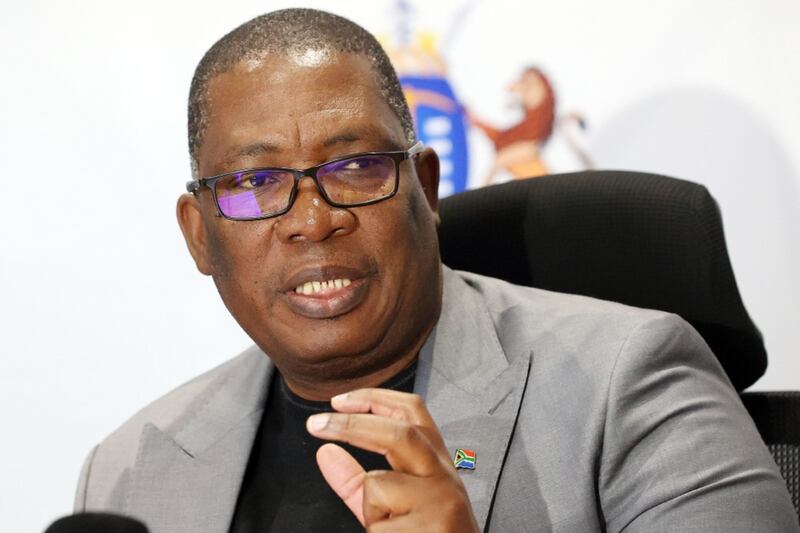
Gauteng premier Panyaza Lesufi has vowed to crack down on graft in response to revelations by the SIU of syndicates siphoning off more than R2bn from Tembisa Hospital. He has promised lifestyle audits and the introduction of open tenders to address corruption embedded across institutions in the province.
But Lesufi has again revealed his true nature as a spin doctor, telling residents what they want to hear, not what is needed to address the crisis. Lifestyle audits were introduced under David Makhura, his predecessor as premier, and while Lesufi has apparently been conducting them, he has been reluctant to release the full findings of the reports.
Former Gauteng finance MEC Barbara Creecy (now national transport minister) introduced open tenders in 2016, after a pilot project in 2014 — so there is nothing new in Lesufi’s commitment to these either.
Lesufi is either out of his depth or unwilling to tackle the corruption crisis across the provincial government, according to the DA chief whip in the legislature, Mike Moriarty.
If Gauteng fails, South Africa fails. It is tragic, then, that the province has its weakest leadership since 1994
Moriarty is an old hand in the province and on re-entry to the legislature has sought to get to the bottom of the deepening corruption crisis in the province, despite fiery rhetoric from Lesufi’s administration.
In 2023, the DA asked Lesufi about the number of internal forensic investigations conducted by his administration since 2019 and for details about them. The response indicated there had been 177 forensic investigations.
“Knowing that there had been 177 reports, we sought the contents of those investigations. We got towards mid-2024, a year later, and there was nothing forthcoming.
“At that stage, we started to write letters to the premier, saying: ‘Come on, you’ve indicated that you’re tough on corruption and that you’re doing all of these investigations. Disclose the information,’” Moriarty tells the FM.
The request was met with silence. The party then considered approaching the courts or the information regulator to get access to the information, and opted for the latter. After interaction between the regulator and the office of the premier, Lesufi responded that he could not make the information available because disciplinary cases were under way and criminal charges were to be instituted.
Moriarty said Lesufi had not explained how shining a light on the facts of each case would prejudice disciplinary or criminal cases.
From a political perspective, Lesufi’s stance is understandable, particularly if the reports implicate his comrades and further damage the image of the ANC. Moriarty points out that he should not then claim to be an anticorruption crusader.
The information regulator requested the reports from Lesufi. In August, days after receiving the request, he held a press conference announcing the release of the reports — and committed to making them publicly available after they were redacted.
So you have a series of syndicates and you then have to ask, why are people dragging their feet?
— Mike Moriarty
“The province has demonstrated a strong commitment to combating corruption through proactive measures, institutional reforms and enhanced accountability mechanisms,” Lesufi said at the briefing.
“By upholding these principles, public institutions can foster a culture of accountability and integrity, ensure ethical governance, and restore public confidence. The released reports detail investigations into serious offences and improper behaviour across multiple departments. They cover a wide range of misconduct, from criminal acts to minor breaches of conduct.”
Lesufi did not say that he had been under pressure from the regulator to release the reports. He also reshuffled heads of departments on their release.
The premier said the 47 released reports were part of the 177 dating from 2016. Moriarty says after the first tranche was released, the reports appeared on a Gauteng government website, but were heavily redacted with no annexures. In one instance, a “report” consisted of a one-page e-mail exchange between an official and an accounting officer, who communicated that it was unnecessary to take the investigation forward.
The DA has continued to pursue the matter through the regulator, which has until this week to conclude its investigation, with recommendations expected on whether Lesufi should be compelled to release all 177 reports. The party is also considering approaching the courts to try to force the provincial government to release up to 290 reports.
Their release is all the more urgent given the SIU’s revelations and those before the Madlanga commission, says Moriarty.
“These reports could give us further insight into what’s going on in our province. I think you can detect patterns, and the patterns will start to draw lines to various perpetrators. As indicated in the SIU report [on the Tembisa Hospital], it’s more than one syndicate involved. So you have a series of syndicates and you then have to ask, why are people dragging their feet?”
“There’s one word that would come to mind, and that is interest. There are people who ought to be taking decisions on investigations and prosecutions and consequences, whether those are disciplinary actions or criminal actions. If we are wrong and the decision-makers don’t have an interest in these matters, then they must move with greater pace.”
In his communication with the information regulator, Moriarty argued that the “best cure for corruption is sunlight”.
The revelations by the SIU and before the Madlanga inquiry are shedding light on criminal activity in the Gauteng government that has resulted in people losing their lives.
Sunlight is a disinfectant, but it cannot work without the political will to eradicate corruption, which Gauteng is sadly lacking.


Would you like to comment on this article?
Sign up (it's quick and free) or sign in now.
Please read our Comment Policy before commenting.