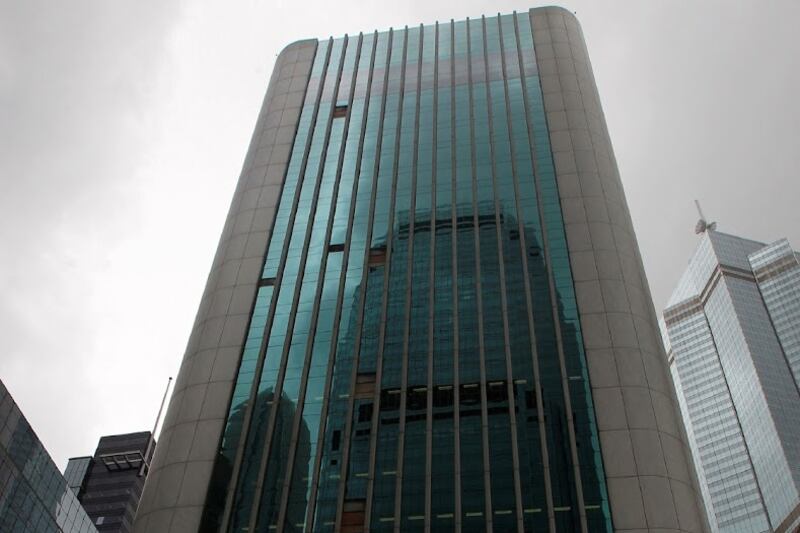
Hong Kong — HSBC plans to buy out minority interests in Hang Seng Bank for HK$106.1bn ($13.6bn), paying a premium to take control of a subsidiary hit by faltering property markets by halting its own share buybacks
HSBC will offer HK$155 a share for the 36.5% of the Hong Kong-based lender’s shares it doesn’t own, it said on Thursday, a 30.3% premium to Wednesday’s closing price, making for a total valuation of $37bn.
HSBC CEO Georges Elhedery, who has spent the past year trying to cut costs in the bank’s sprawling businesses, believes he can extract value from Hang Seng by delisting its shares and streamlining operations.
“This is an investment for the medium to long term in what is a leading local bank in Hong Kong, an iconic franchise, distinct and unique customer proposition and a strong financial standing with very good liquidity ratios and capital ratios,” Elhedery said .
‘Sensible use of capital’
Hang Seng Bank shares surged 26%, but HSBC shares fell more than 6% in London and Hong Kong.
“While strategic rationale is compelling and this seems to be a sensible overall use of capital, we expect investors will query why now and at this price,” Citi analysts said in a note.
The move contrasts with a string of market exits by HSBC after Elhedery took the helm last year and launched an overhaul that saw the lender sell or wind down businesses across Europe, North America and some Asia-Pacific markets.
But Hong Kong emerged as a stand-alone division after the restructuring, along with three other key operations.
Elhedery told reporters “additional streamlining and simplification” are expected at Hang Seng, and the banks would seek to align product manufacturing and international networks.
HSBC would pause its share buybacks for about three quarters to build up the capital required for the acquisition, according to Elhedery.
Michael Makdad, a senior equity analyst at Morningstar, said the acquisition would be the biggest in Hong Kong for over a decade and was a positive move considering parent-subsidiary double listings were inherently problematic in terms of governance.
“HSBC will need to pay a premium ... but there should be some opportunities for cost synergies,” he added.
Bond crunch
The planned privatisation of Hang Seng comes as debt-laden property developers and their creditors are set to face intensifying financial pressure with bond maturities slated to jump by nearly 70% next year.
Hang Seng Bank has reported an increase bad loans over the past few years due to its relatively high exposure to the Hong Kong and mainland Chinese property markets.
Impaired loans reached 6.7% of its gross loans by June 2025, up sharply from 2.8% at the end of 2023.
In early 2024 HSBC started planning to tighten risk management at Hang Seng Bank due to concerns about a potential surge in bad loans amid growing economic headwinds and the property sector crisis in China.
Still, Elhedery said the move was “absolutely not” driven by pressure to bail out Hang Seng.
“We remain constructive on the outcome for the sector in the medium to long term. So we see this as a short-term credit cycle, which in part is normalising,” he said.
HSBC said the privatisation would have a negative impact of about 125 basis points on its common equity tier 1 (CET1) ratio, which stood at 14.6% at the end of June. But it expects to restore its CET1 ratio to its target operating range of 14% to 14.5% through organic capital generation and by pausing share buybacks.
The offer price is final, HSBC said, adding that it does not reserve the right to revise it.
Reuters




Would you like to comment on this article?
Sign up (it's quick and free) or sign in now.
Please read our Comment Policy before commenting.